





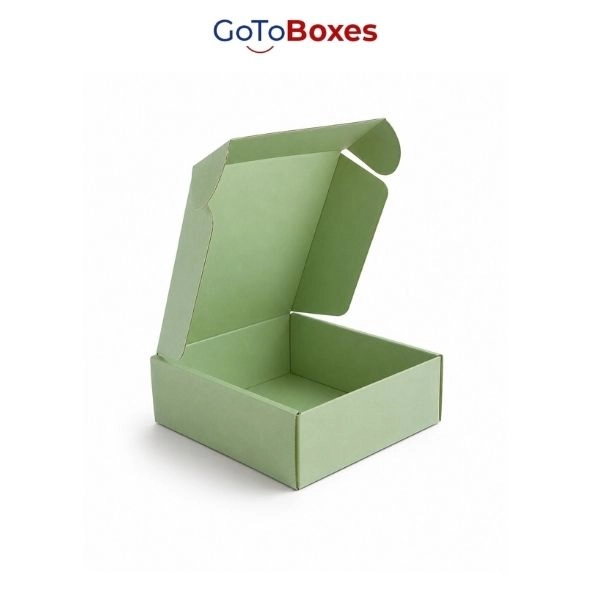
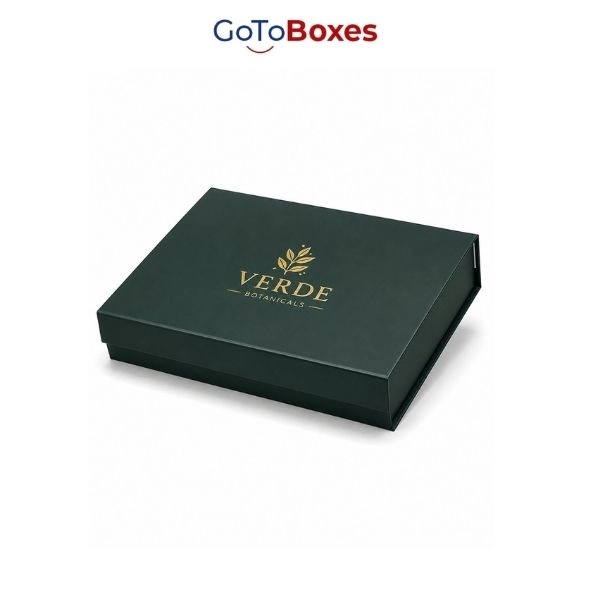













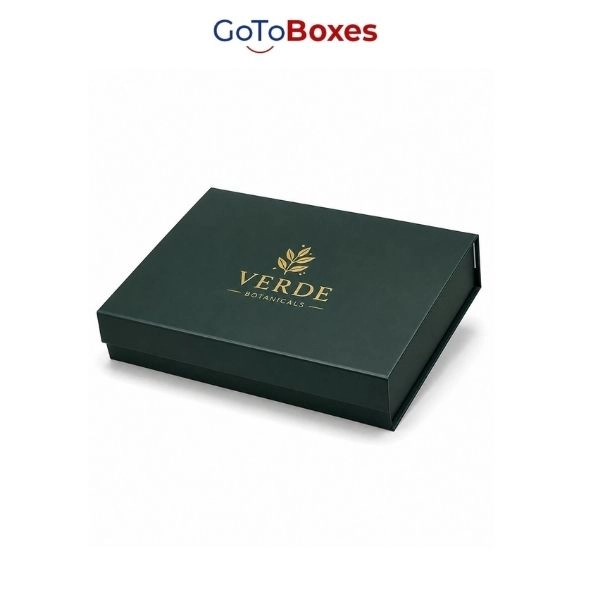

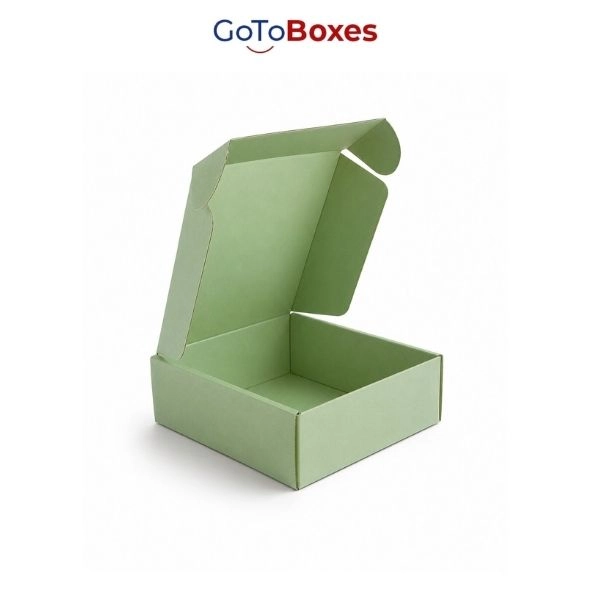
| Box Style | As Mention Above |
|---|---|
| Dimension (L + W + H) | All Custom Sizes & Shapes |
| MOQ | No Minimum |
| Paper Stock | 10pt to 28pt (60lb to 400lb) Eco-Friendly Kraft, E-flute Corrugated, Bux Board, Cardstock |
| Printing | No Printing, CMYK, CMYK + 1 PMS color, CMYK + 2 PMS colors |
| Finishing | Gloss Lamination, Matte Lamination, Gloss AQ, Gloss UV, Matte UV, Spot UV, Embossing, Foiling |
| Included Options | Die Cutting, Gluing, Scored,Perforation |
| Additional Options | Eco-Friendly, Recycled Boxes, Biodegradable |
| Proof | Flat View, 3D Mock-up, Physical Sampling (On request) |
| Turnaround | 8 - 10 Business Days |
| Shipping | FLAT Position |
Toy Packaging Built Around the Way Toys Are Sold
Good toy packaging has more than one job. It must hold the product securely, communicate what is included and remain presentable after transport, handling and shelf display. The right structure depends on the toy, its weight, the intended age group and whether customers need to see the product before buying.
GoTo Boxes creates packaging for independent toy brands, game publishers, retailers, subscription businesses and established product ranges. Formats can be developed for action figures, dolls, plush toys, puzzles, card games, construction sets, electronic toys, craft kits and collectables.
Custom Toy Packaging should begin with the physical product rather than the artwork. A visually impressive carton is of little use if an accessory moves behind the insert, a window creases during packing or the box occupies more shelf space than necessary. Starting with the product dimensions and sales route produces a pack that is easier to fill, store and distribute.
Begin with What the Customer Needs to See
Some toys sell through colour, facial detail or tactile appeal. Others need diagrams, instructions or component lists to explain their value. The amount of product visibility should therefore be decided before the box style.
An enclosed printed carton gives the largest uninterrupted area for illustrations and product information. It suits puzzles, games, educational kits and products where the contents can be explained clearly through images.
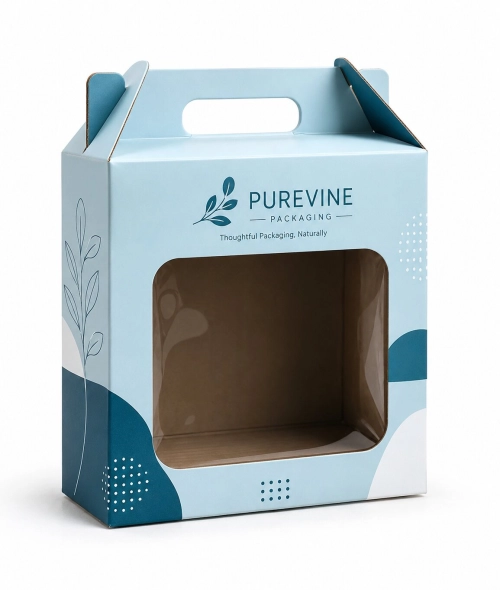
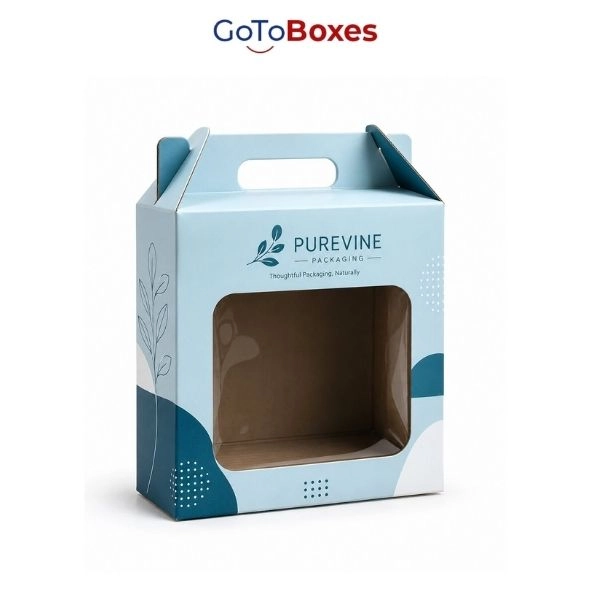
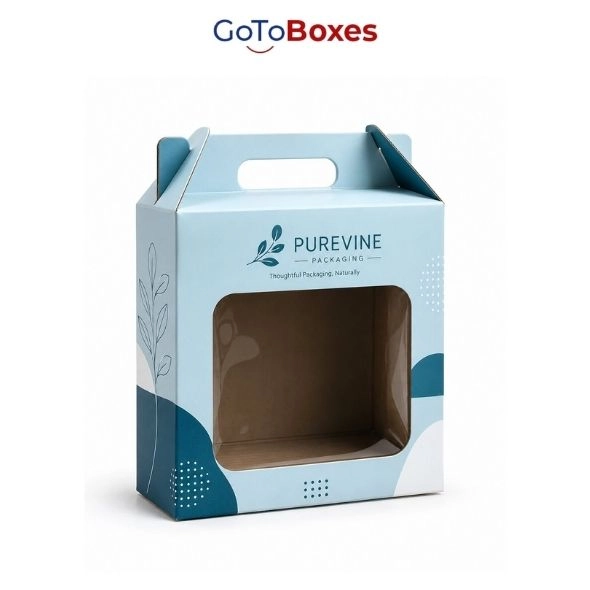
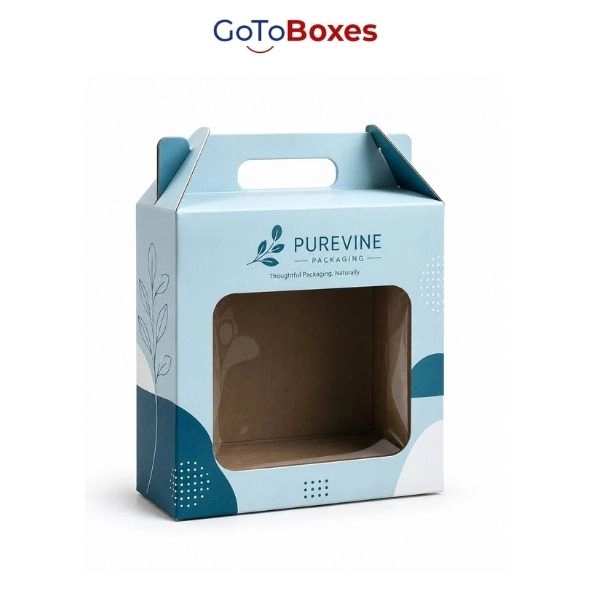
A window carton lets customers inspect part of the toy while leaving useful card space around it. This is often suitable for dolls, character toys, model vehicles and collectables. The window should reveal the feature that influences the buying decision, not simply the easiest area to cut from the board.
Open-front packaging provides more visibility but exposes the toy to handling and dust. It may suit secured plush toys or larger display pieces, provided the item is restrained without making unpacking unnecessarily difficult.
Different Toys Create Different Packaging Problems
Figures, Dolls and Collectable Characters
Figures and dolls need controlled presentation. If a product turns sideways or an accessory drops behind the tray, it can look incomplete even when nothing is missing.
A folding carton with a transparent window and fitted card or moulded insert can hold the main figure in a consistent position. Accessories may be given separate recesses so customers can understand exactly what the set contains. Collector ranges can also use printed backdrops, numbered editions or internal artwork, provided these features do not reduce the space required for instructions and traceability details.
Board Games, Puzzles and Card Sets
Games usually place more stress on the base of the box because several components are packed together. The structure must carry cards, boards, counters, dice and instructions without bowing when lifted.
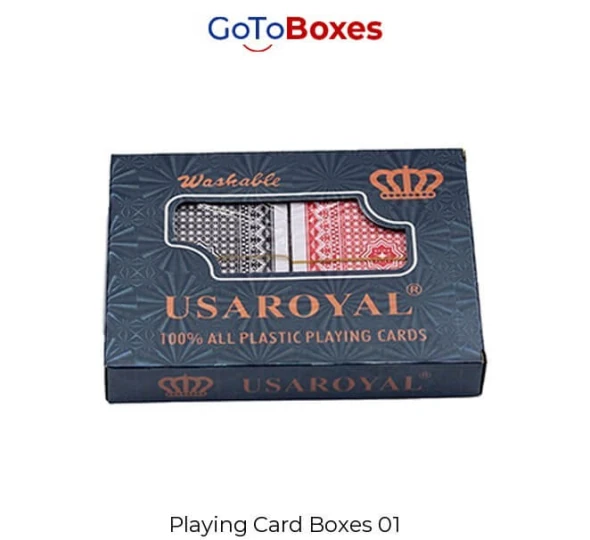
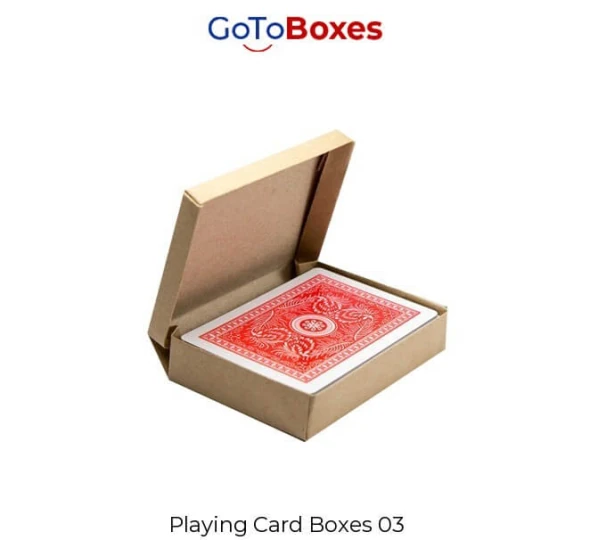
Two-piece lid-and-base boxes are useful when the pack will be opened and closed repeatedly. Folding cartons can suit smaller games, while reinforced board or wrapped rigid construction may be better for heavier sets. Internal wells, card decks and token compartments should be planned from the final component count, including instruction booklets and promotional pieces.
Plush Toys and Soft Characters
Plush products are light but can be bulky. Oversized enclosed cartons may waste board and increase storage space, while packaging that is too tight can compress the product and affect its appearance.
A high-back card, belly band, open-front carton or shaped window box may provide a better balance. The chosen restraint should prevent the toy from falling forward without creating an awkward unpacking experience.
STEM Kits, Craft Sets and Electronic Toys
Science kits, craft activities and electronic toys often contain mixed components with different weights. Small parts require separation, while cables, tools or refill packs need clear identification.
A compartmented insert helps customers check the contents and reduces movement during delivery. The outer carton also needs enough printable space for operating information, contents, age guidance and any required warnings. Electronic products may need stronger internal support where a heavy component could strike the side wall.
Large Playsets and Wheeled Toys
Large playsets require packaging that can withstand stacking and warehouse movement. Corrugated board is generally more appropriate than lightweight folding board for these products.
Carry apertures, reinforced hand holes and internal blocking can be incorporated where suitable. The structure should be tested with the actual packed weight because a handle that performs well on an empty sample may behave differently once the product and accessories are loaded.
Select a Construction That Fits the Sales Route
Folding Cartons for Shelf-Ready Ranges
Reverse tuck-end, straight tuck-end and crash-lock cartons provide efficient options for smaller and medium-sized toys. They can be supplied flat for storage and formed during packing.
Straight tuck-end cartons keep the closures on the same side, which can help when the front and rear panels need a cleaner presentation. A crash-lock base speeds up assembly and provides more support underneath heavier contents. Seal-end cartons may suit automated or higher-volume packing operations.
Custom toy packaging boxes can include locking tabs, reinforced bases, hanging tabs, thumb cuts and tear strips. Each feature should have a practical role. Additional cuts and folds can affect board strength, production cost and packing time.
Blister Cards for Compact Products
Blister toy packaging displays a small product through a formed transparent cavity attached to a printed backing card. It is commonly considered for miniature figures, accessories, toy vehicles and low-profile sets that need to hang on retail hooks.
The blister depth must accommodate the tallest point of the product without applying pressure. The card requires enough strength around the hang hole, while the sealing area must remain free from important artwork. Because the transparent component and card may require separation after use, material selection and disposal information should be considered at the design stage.
Window Cartons Without a Formed Blister
A window carton offers visibility without forming the transparent section around every product contour. It can be easier to adapt across a related range when products have similar outer dimensions.
Window size affects the rigidity of the front panel. Very large cut-outs can weaken narrow corners or create bowing, so the opening may need a stronger board, wider borders or a supporting insert. The film should be specified by type rather than treated as an unnamed plastic component.
Two-Piece, Rigid and Corrugated Formats
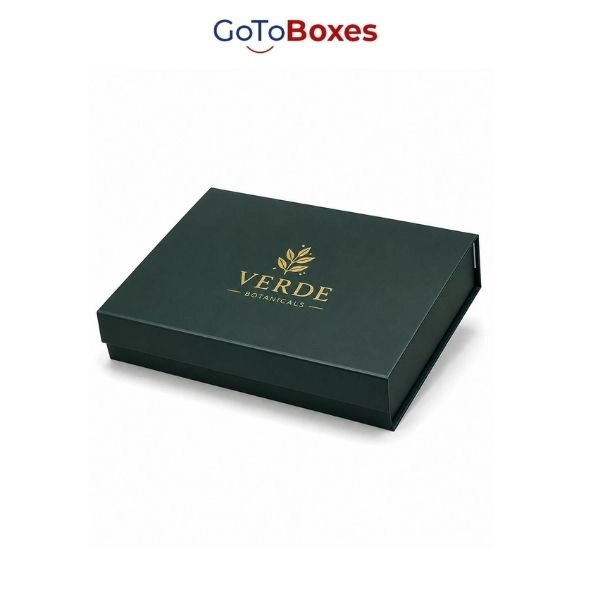
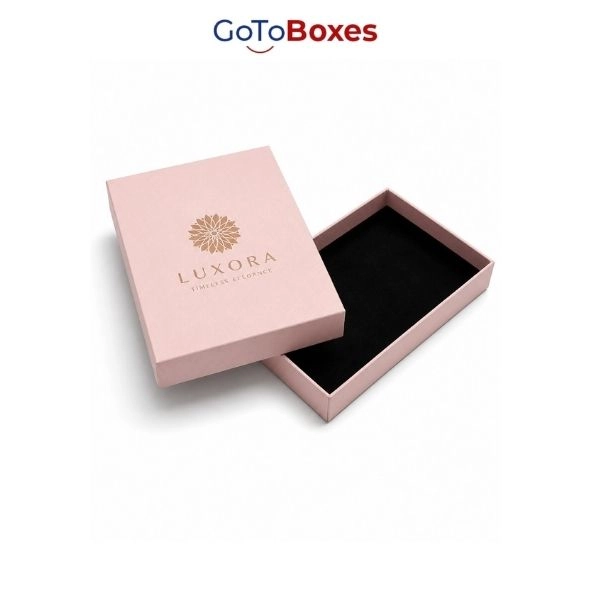
A two-piece box suits games, keepsake products and sets intended for repeated storage. Wrapped rigid boxes provide a substantial presentation format for limited editions or higher-value collectables, although they take more storage space and cost more to manufacture and transport.
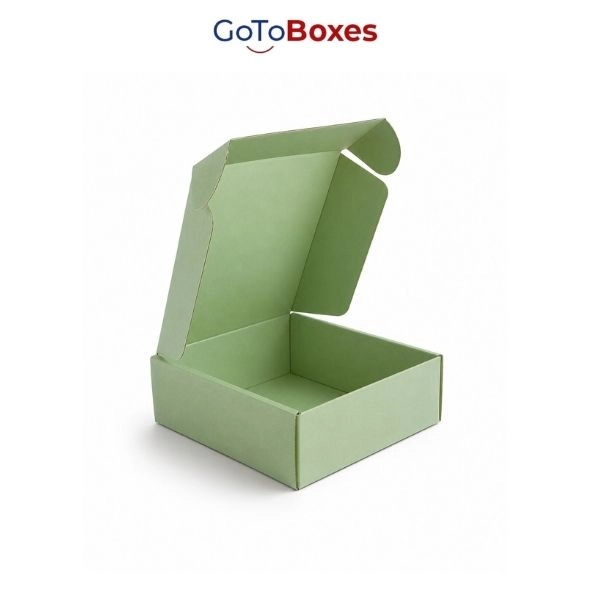
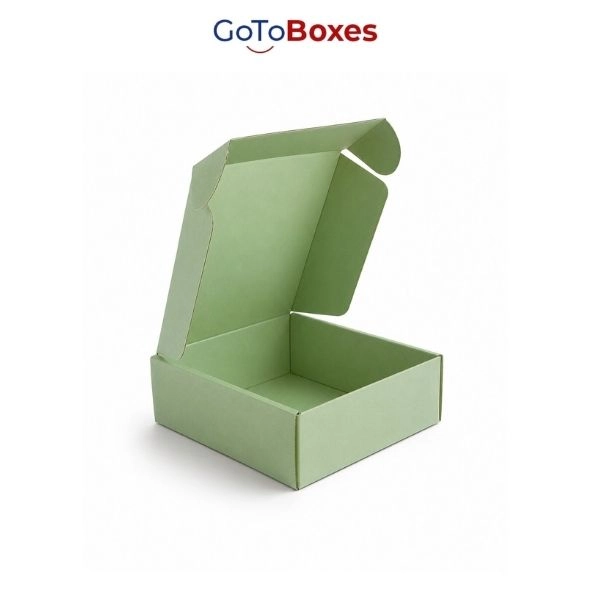
Corrugated cartons suit large playsets, heavier kits and products moving through parcel networks. They can act as retail packaging when printed appropriately or as an outer shipping case protecting a separate presentation box.
Keep Every Component in Its Intended Position
An insert is not merely decorative. It controls movement, distributes weight and gives each item a clear position during opening.
Die-cut card inserts are suitable for many light and medium-weight toys. They can be printed, folded around unusual shapes and developed from the same board family as the outer carton. Corrugated fittings offer more cushioning for heavier products. Moulded pulp may suit selected shapes where a formed protective cavity is required. Foam or formed plastic trays can provide close product retention, but their material use, cost and end-of-life route should be considered before specification.
Restraints must be assessed alongside the toy itself. Ties, tabs and locking features should hold the product without damaging painted surfaces, fabric, moving joints or cables. The customer should also be able to remove the toy without excessive cutting or avoidable frustration.
Material Choices Based on Risk, Price and Product Type
The Best General Material for Toy Packaging
Folding boxboard is often the most adaptable choice for retail toys. It provides a smooth printable surface, accurate creasing and sufficient stiffness for many figures, dolls, small games and craft sets. The appropriate weight depends on the carton dimensions, window area, packed weight and stacking conditions rather than a single standard thickness.
For many customers, a mid-to-heavy folding board offers the most practical balance. It supports detailed colour printing, keeps instructions legible and can be supplied flat to reduce storage requirements. A structural sample should still be tested because two boxes made from the same board weight can perform differently when their dimensions and cut-outs change.
Best Materials for Different Toy Industries
Game publishers generally benefit from dense folding board, reinforced two-piece construction or rigid greyboard for heavier sets. Figure and doll brands often use folding board with a card tray or window. Plush ranges may need lighter card structures, bands or open-front formats because the product has low weight but high volume.
Electronic and STEM toy suppliers may require stronger board with compartmented inserts. Large outdoor toys and playsets are normally better suited to corrugated material, with the flute selected according to weight, print requirements and distribution conditions. Collectable ranges may use rigid board or finely printed folding cartons where repeat storage and presentation matter.
Kraft board can support a natural, less coated visual style, although colours and photographic imagery will reproduce differently from white-lined board. The correct choice should follow approved artwork tests rather than assumptions about how the finished print will look.
Dimensions Should Be Taken from the Packed Product
Box dimensions should normally be specified as internal length, width and depth. Measure the product in the position in which it will be sold, including trays, folded instructions, protective wraps and protruding accessories.
Clearance is needed for efficient packing, but excess space allows movement and increases board use. For a window pack, the product position must also be measured against the front panel. A few millimetres of movement can change whether a face, logo or important feature remains visible.
Shelf geometry matters as much as product fit. The design team should know whether the box will stand, stack, hang from a euro slot or sit in a counter display. For e-commerce, the finished pack should also be considered alongside the outer mailer and likely void fill.
Print That Explains the Product Before Purchase
Printed toy packaging can carry play features, contents, assembly guidance, age information and related products across its panels. The front should establish what the item is, while side and rear panels can answer practical questions without overcrowding the main display face.
Full-colour CMYK printing suits illustrations and product photography. Spot colours may be specified when consistent brand shades are important. Matt, gloss or protective coatings can be selected according to the artwork and handling conditions. Foil, embossing and selective gloss are available for suitable designs, but they should support a clear hierarchy rather than compete with essential information.
Custom toy packaging with logo artwork should treat the brand mark as part of a complete panel layout. Its size and location must work alongside the product name, variant, age guidance, contents and window. GoTo Boxes can provide a dieline so artwork is prepared around folds, glue areas, cut-outs and safe margins.
Reserve the Safety and Traceability Panel Early
Custom toy packaging UK projects need space for the information applicable to the product and market. Packaging does not certify a toy or make a non-compliant product safe. The manufacturer, importer or other responsible business must identify the requirements that apply to its particular item.
Current Great Britain guidance explains that toy manufacturers have responsibilities covering safety assessment, conformity, product identification, manufacturer information, instructions and appropriate warnings. Warnings must be clearly visible, legible and understandable, and market rules differ between Great Britain and Northern Ireland.
As of August 2026, businesses placing applicable products on the Great Britain market may use the recognised UKCA or CE route, subject to the relevant product rules. Requirements should be checked against current official guidance before artwork is approved.
Allow a defined area for the product or model reference, batch identification, responsible business details, conformity marking, warnings and instructions. Important text should not cross a fold, disappear beneath a closure or become unreadable against patterned artwork.
Use Blank Packs to Test the Structure
Blank toy packaging is useful before printed production because it exposes structural problems without the distraction of finished graphics. A plain sample can be filled, opened, stacked and placed inside the intended shipping carton.
Teams can use it to check insert tension, window position, accessory clearance and packing time. Retail trials can also reveal whether the box stands reliably or fits the planned hook and shelf depth. If a plain carton is used for an actual sale rather than testing, all applicable product and labelling requirements still need to be addressed.
Plan Wholesale Quantities Around More Than Unit Price
Custom toy packaging wholesale orders can reduce unit costs, but the largest available quantity is not automatically the right buying decision. Product revisions, seasonal demand, licensed artwork dates and storage capacity can all affect the useful run size.
An economical specification considers board yield, carton dimensions, number of designs and how variants share a structure. Several characters may use one common dieline while changing the print, for example. This can simplify packing and master-case planning, although every artwork version still requires separate checking.
A first production run should leave enough time for proof approval and, where appropriate, a physical sample. Reorders are more predictable when the approved artwork, board, insert and packing orientation are recorded as one complete specification.
A Real UK Retail Setting
Smyths Toys sells categories ranging from action figures and dolls to board games, electronic toys, construction sets, soft toys and collectable blind boxes. A range this varied shows why one universal box format cannot serve every toy.
A hanging miniature figure needs strong card around the hook and immediate product visibility. A board game needs a base that carries multiple components. A plush character may need an open display area, while an electronic playset benefits from clear feature diagrams and internal support. This example concerns the packaging demands visible across the UK toy market and does not imply a commercial relationship.
Information Needed for an Accurate Packaging Quote
Providing a complete brief helps the packaging team recommend a realistic structure and reduces avoidable revisions:
- Product dimensions, packed weight and intended orientation
- Individual component sizes and final component count
- Required internal tray, divider or restraint
- Preferred carton shape and opening method
- Window, hanging or carry-handle requirements
- Retail, gifting, subscription or e-commerce sales route
- Required quantity and number of printed variants
- Artwork status, delivery location and target date
A product sample, CAD file or clear dimensioned drawing can be useful for irregular toys. If the range contains several sizes, identify which products can share one box and which need separate structures.
Why Choose GoTo Boxes for Purpose-Built Toy Packaging?
GoTo Boxes develops toy packaging around the product’s physical needs, its presentation and the way it reaches the customer. That means considering the board, dimensions, insert, opening sequence and printable information area as one connected specification.
Customers can request folding cartons, blister cards, window boxes, two-piece packs, rigid presentation formats, corrugated cases and retail displays. Options are available for custom dimensions, branded printing, internal fittings and selected decorative finishes.
A well-planned pack helps reduce product movement, supports consistent shelf presentation and gives customers clearer information at the point of purchase. Speak with GoTo Boxes about the toy, packed weight, quantity and sales route to receive a specification and quotation based on the actual project.