





| Box Style | As Mention Above |
|---|---|
| Dimension (L + W + H) | All Custom Sizes & Shapes |
| MOQ | No Minimum |
| Paper Stock | 10pt to 28pt (60lb to 400lb) Eco-Friendly Kraft, E-flute Corrugated, Bux Board, Cardstock |
| Printing | No Printing, CMYK, CMYK + 1 PMS color, CMYK + 2 PMS colors |
| Finishing | Gloss Lamination, Matte Lamination, Gloss AQ, Gloss UV, Matte UV, Spot UV, Embossing, Foiling |
| Included Options | Die Cutting, Gluing, Scored,Perforation |
| Additional Options | Eco-Friendly, Recycled Boxes, Biodegradable |
| Proof | Flat View, 3D Mock-up, Physical Sampling (On request) |
| Turnaround | 8 - 10 Business Days |
| Shipping | FLAT Position |
Rigid Boxes Designed Around Your Product
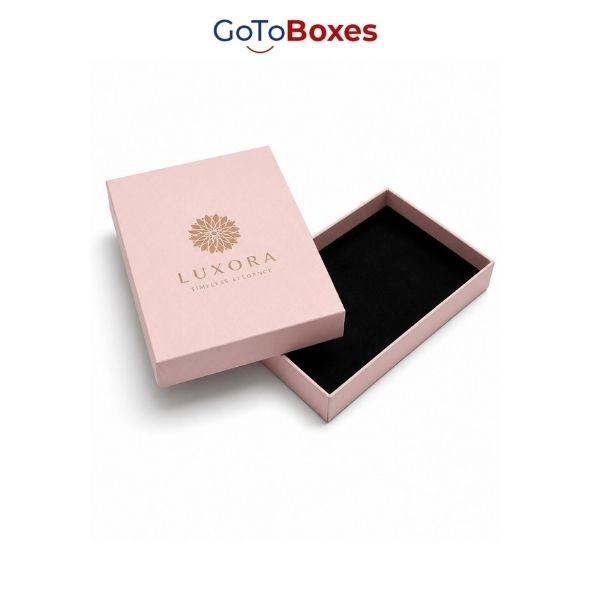
Rigid boxes are set-up boxes made from dense board and covered with a printed, coloured or textured wrap. Unlike a thin folding carton, the finished box keeps its form and can be engineered around how the customer opens, handles and stores the product.
This makes rigid packaging useful for jewellery, fragrance, skincare, candles, electronics accessories, confectionery gifts, clothing accessories and curated gift sets. Board thickness, internal dimensions, insert design, closure, transit route and recycling considerations all need to work together.
GoTo Boxes creates custom rigid packaging for UK businesses. The starting point is the product’s size, weight, fragility, selling channel and intended customer experience, not a decorative finish chosen in isolation.
A fixed structure for products that need a proper presentation
The core is usually dense greyboard or chipboard. It supplies stiffness, while a separate outer wrap carries the artwork and surface finish. The inner lining may be printed or plain, and an insert can keep the contents correctly positioned.
A fitted box can reduce movement, give a product a cleaner shelf presence and make a gift set easier to understand when opened. It may also be retained for storage. The trade-off is that rigid packaging is usually heavier and takes more space than a folding carton, so the format should suit the product and margin.
Select a structure that matches the opening moment
The box style changes how the customer reaches the product and affects assembly, insert access, storage and handling. These are the main formats to consider.
Rigid Magnetic Boxes for gift sets and repeatable unboxing
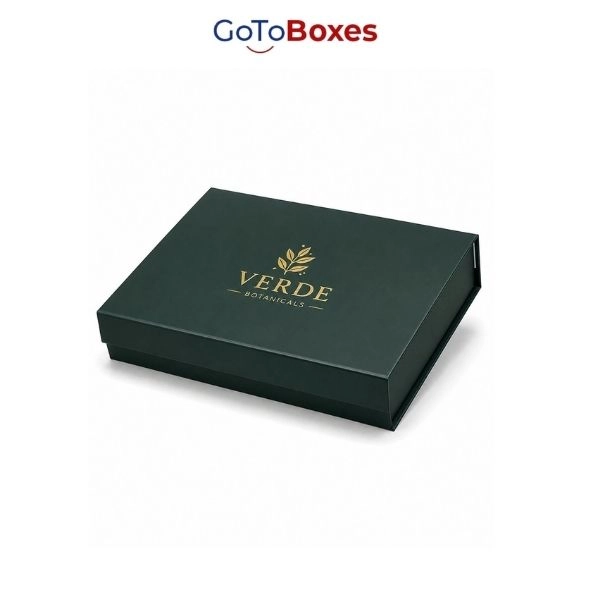
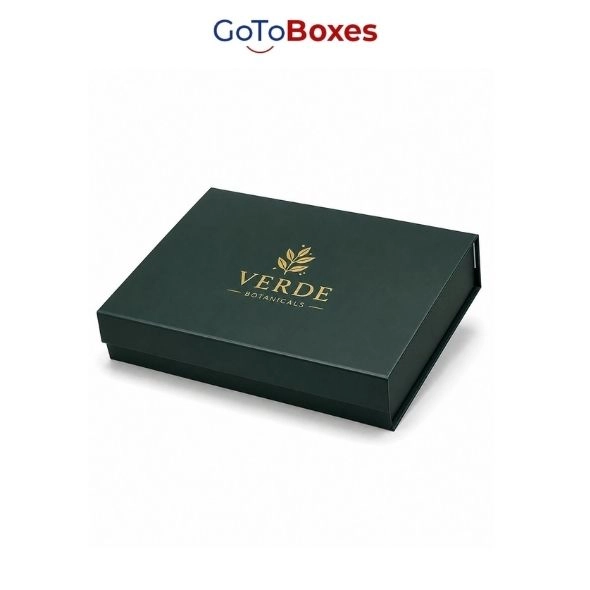
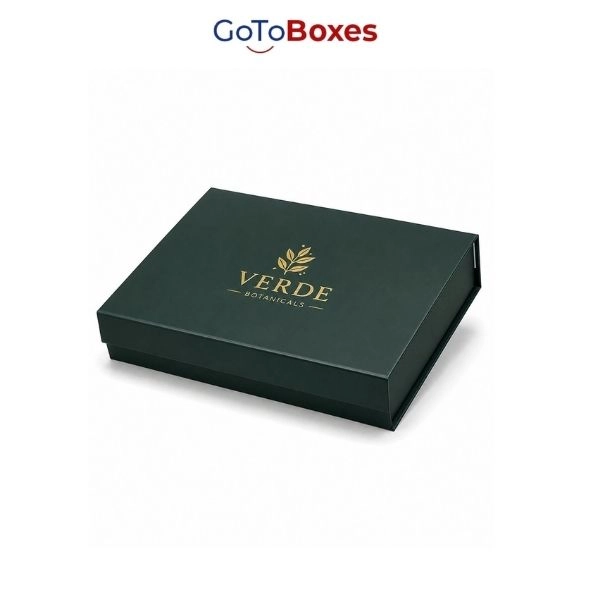
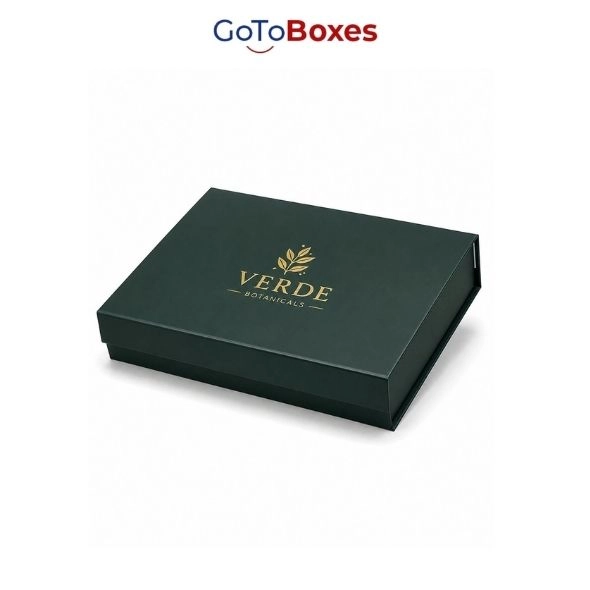
Rigid Magnetic Boxes use concealed or integrated magnets to hold a hinged flap or book-style cover closed. They suit fragrance, skincare, jewellery, electronics accessories and corporate gift sets. Magnet strength, lid weight, insert clearance and the position of printed or foiled artwork should be checked during sampling.
Rigid Drawer Boxes when the tray should glide out
Rigid Drawer Boxes combine a sliding inner tray with an outer sleeve. A ribbon, finger notch or pull tab can assist removal. They are effective for beauty collections, watches, jewellery, stationery sets and gifts, provided the tray has smooth movement without excessive rattle.
Rigid Two Piece Boxes for a straightforward lift-off format
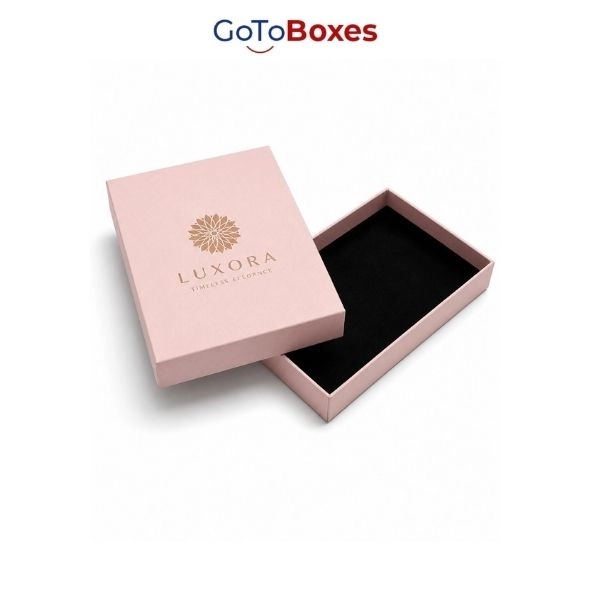
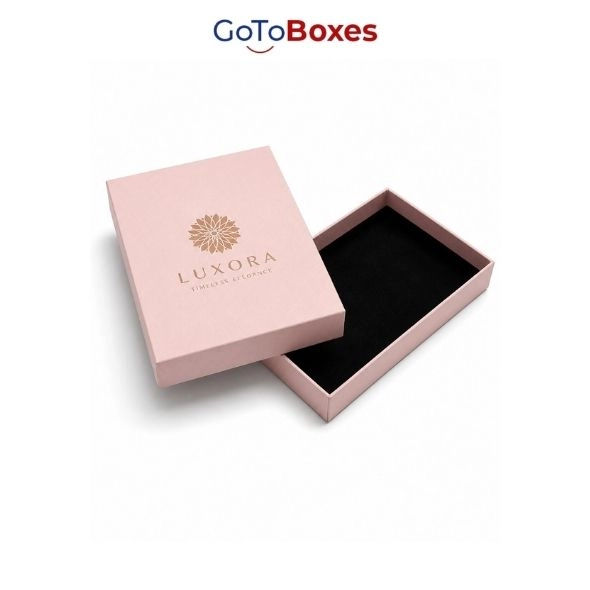
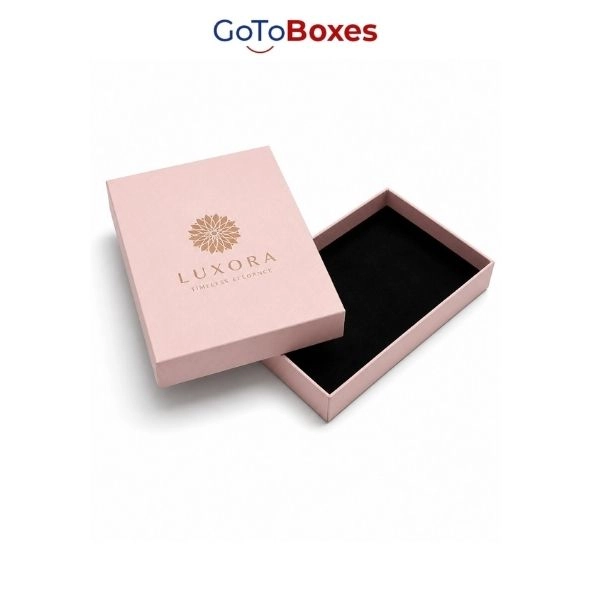
Rigid Two Piece Boxes have a separate lid and base. They are easy to fill and suit many rectangular or square products. Lid depth, base height and an insert or paperboard platform should be planned together so the contents do not touch the lid.
Rigid Lid and Base Boxes for stackable presentation
Rigid Lid and Base Boxes use coordinated separate sections and are useful for neat stacking in storage, retail displays or gift arrangements. They suit candles, apparel accessories, confectionery selections and home fragrance. The base should allow easy lifting, while food-related products need a suitable inner tray or liner.
Rigid Shoulder Neck Boxes for a stepped, secure fit
Rigid Shoulder Neck Boxes include an internal shoulder or neck that supports the lid above the base. The stepped reveal suits bottles, accessories, jewellery and gift sets. Accurate board joints are important so the lid guides into place and closes cleanly.
Rigid Book Style Boxes for hinged access
Rigid Book Style Boxes open like a book, with the cover attached to the base. The inside lid can carry a message or care instructions, while the base holds one item or a collection. They suit presentation kits, watches, electronics, stationery and beauty sets; hinge performance should be checked if reuse is expected.
Rigid Mailer Boxes for presentation-led dispatch
Rigid Mailer Boxes use a mailer-style opening, but a rigid presentation box is not automatically a protective postal outer. Direct-to-consumer orders may need a strong closure, fitted insert and corrugated transit carton. Test the packed sample through the intended route for glass, ceramics, bottles or costly products.
Rigid Window Boxes when visibility matters
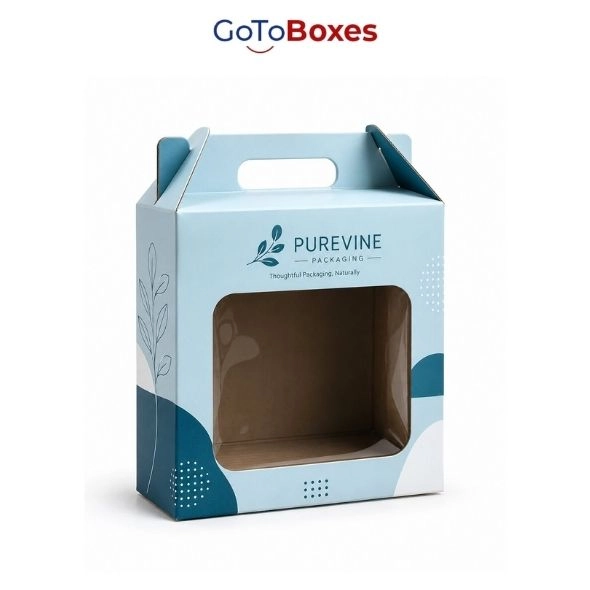
Rigid Window Boxes include a clear panel or die-cut opening for retail browsing and gift selection. They suit candles, boxed sets and selected confectionery presentations. Window material, adhesive, placement and recycling should be considered because a large aperture can weaken the lid or expose the contents to dust.
Rigid Folding Boxes for lower storage volume
Rigid Folding Boxes use a folding construction that can be supplied flat or folded, reducing storage space before filling. They suit limited storage, seasonal launches and products handled at several fulfilment locations. Folds, corners and adhesive areas should be checked because the flat-pack mechanism affects performance.
Rigid Sleeve Boxes for a layered reveal
Rigid Sleeve Boxes use a tray, base or inner box that slides into a printed outer sleeve. They suit gift sets, cosmetics, books, accessories and product launches. The same inner tray can also be paired with different sleeves for limited editions or separate ranges.
Choose the board and wrap for the job
The best material for most rigid packaging
For many presentation boxes, dense recycled greyboard or chipboard with a paper wrap offers a useful balance of stiffness and printability. A common starting range for smaller and medium boxes is around 1.5 to 2.5 mm board, but footprint, depth, product weight, closure and handling determine the final specification.
Larger boxes or heavy contents may need thicker board, reinforced corners or a stronger insert. A single GSM figure can be misleading because constructions vary between suppliers. A physical sample gives a better check of squareness, lid fit, stiffness and surface quality.
Outer wraps may include printed art paper, coloured or kraft-style paper, textured stock, book cloth or fabric-look materials. The right option depends on the artwork, handling conditions, tactile effect and required finish. Corners and edges should be checked for lifting, creasing and misalignment.
A material choice that makes sense for customers
Customers who care about environmental impact usually want a specification they can explain clearly. Recycled board, a paper-based wrap and water-based inks may be suitable where a plastic window or film is unnecessary. Recyclability still depends on the complete construction, including magnets, ribbons, foam, adhesives, coatings and inserts.
Use only components that improve protection or presentation. Paperboard or moulded pulp may suit some products, while foam can remain appropriate where impact protection is the priority. The final choice should reflect the product, customer expectations and the recycling route available for the finished pack.
Matching material to the industry
For jewellery and watches, a rigid board core with a soft, shaped insert can prevent movement and keep small items visible. A magnetic, book-style or shoulder-neck format can provide a considered presentation without a large box.
For fragrance, skincare and bath products, the box should hold bottles upright and separate multiple items. Paperboard or moulded inserts may suit some products, while glass bottles may need more cushioning and a transit outer.
For candles and confectionery gifts, separate the decorative box from any material requiring direct food contact. A suitable inner tray, liner or sealed product container may be needed, depending on the product and applicable requirements.
For electronics, controlled movement is the priority. A book-style or magnetic box can present the product well, but a shaped insert and protective outer carton remain important for courier distribution. Clothing accessories, stationery and corporate gifts may need a lighter construction with a lid and base, sleeve or drawer format.
Get the dimensions right before the artwork
Rigid boxes are specified using internal and external dimensions. Internal length, width and height must allow for the product, insert, protective layers and working clearance. Measuring only the front face can lead to a catching lid, a compressed insert or an oversized shelf profile.
The following are illustrative internal starting points rather than fixed stock sizes:
| Intended use | Illustrative internal size | Important design point |
|---|---|---|
| Small jewellery or beauty item | 120 x 80 x 35 mm | Leave room for a shaped insert and easy lifting |
| Candle or two-item gift set | 220 x 160 x 90 mm | Allow for separation between products and lid clearance |
| Apparel accessory or document gift | 330 x 240 x 50 mm | Keep the base shallow enough for efficient storage |
Confirm the final size with the actual product or a precise sample. Include closures, caps, handles, protruding labels and batch variation. If the box will sit inside a shipping carton, plan both sizes together.
Rigid boxes can be rectangular, square, tall, shallow, round, hexagonal or made to an unusual profile. Complex corners and curves may use more material, require tooling and slow packing, so the most useful shape is the one that improves recognition or fit without avoidable handling problems.
Use printing, finishes and inserts with a clear purpose
The outer wrap gives the box its first visual signal. CMYK printing suits illustrations, photography and multi-colour artwork. PMS or spot colour matching helps where a brand colour must remain consistent. Digital printing may suit shorter or variable runs, while offset printing can suit larger repeat orders.
Matte coatings reduce glare; gloss can increase colour impact; soft-touch changes the hand feel. Foil, embossing, debossing and spot UV are most effective when they guide attention towards a logo, product name or small design detail. Check the material and recycling implications before approving a finish.
Inserts are as important as the outside. A card platform may suit a light product, while shaped paperboard, moulded pulp, flocked material or foam can provide separation, cushioning or a display angle. The insert should hold the item securely without making removal difficult or hiding it when the lid opens.
Where rigid packaging adds real value
Rigid packaging is often chosen where the customer is buying an experience as well as an object. A jewellery box can make a small item easier to present and store. A fragrance box can keep a glass bottle upright, while a candle gift box can separate several scents and give the set a clear visual hierarchy.
A realistic UK example is Molton Brown, a UK-founded bath and body brand that sells fragrance and gift sets. A three-piece set containing glass bottles could be planned around a rigid magnetic or shoulder-neck structure, with a fitted insert, safe bottle spacing and an inner message panel. This example shows how the box format follows the product arrangement and handling needs; it does not assume a particular packaging specification used by the brand.
The same thinking applies to independent British retailers, subscription businesses, makers and corporate gifting teams. A well-fitted box can reduce movement, make packing more repeatable and give the customer clear access to the contents. It should still be tested for its delivery route.
Rigid presentation packaging and ecommerce shipping are different jobs
Online brands need to separate unboxing design from delivery demands. A rigid box may be the visible product packaging, while a corrugated outer carton handles drops, compression, moisture and courier sorting. This two-layer approach can help protect the presentation box from scuffs and crushed corners.
If it must travel without an outer carton, test the closure, insert, board thickness and finished dimensions together. Consider packed weight, void space, stacking and label placement. Right-sizing should prevent movement without making the product or box difficult to remove.
Prepare these details for an accurate quote
The more precise the brief, the less guesswork is needed during structural development. Before requesting a quote or sample, prepare:
- The product’s exact length, width, height and packed weight, including caps, handles or protruding parts.
- The preferred opening style, such as a lid and base, magnetic, drawer, book, sleeve or folding construction.
- The intended internal box dimensions and the amount of clearance needed around the item.
- The insert material, product position and whether the item must be visible immediately after opening.
- The outer wrap, print method, colour references, finish and any foil, embossing or debossing.
- The sales route, including retail display, gifting, direct dispatch or placement inside a transit carton.
- The quantity required, whether a physical sample is needed and the target delivery date.
GoTo Boxes can use this information to discuss the board, wrap, insert, dimensions and finish. A structural sample or visual proof can confirm proportions before a larger run is approved. It is also the right stage to check that the pack is easy to fill, close, store and recycle.
Why choose rigid packaging from GoTo Boxes?
Choose rigid boxes when the package needs to protect a carefully presented product and communicate its value before use. The format brings structure, opening sequence, surface finish, insert position and brand detail into one coordinated design.
GoTo Boxes supports UK businesses with custom sizes, shapes, printed wraps, closures, inserts and finishing options. A good box fits the product, survives its intended handling, suits the customer and makes commercial sense for the order quantity.