







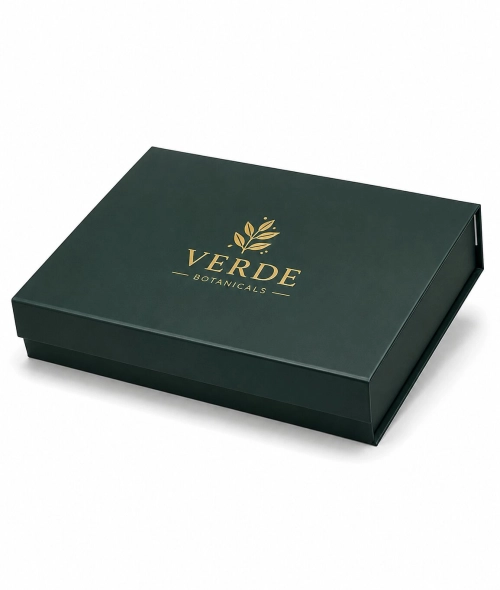
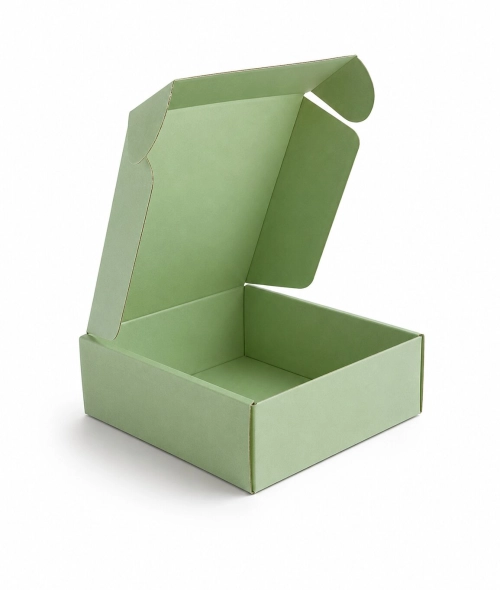
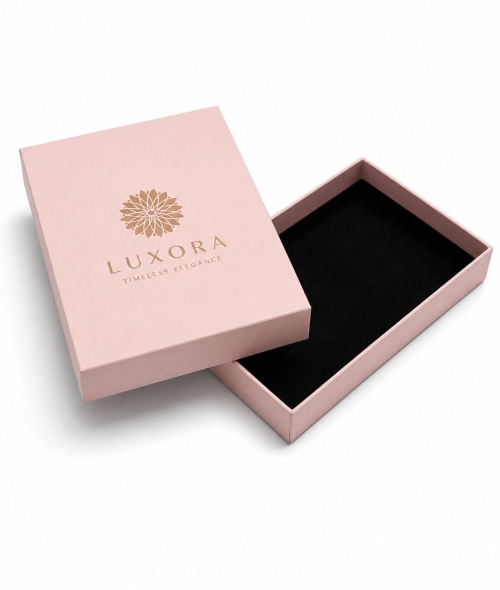
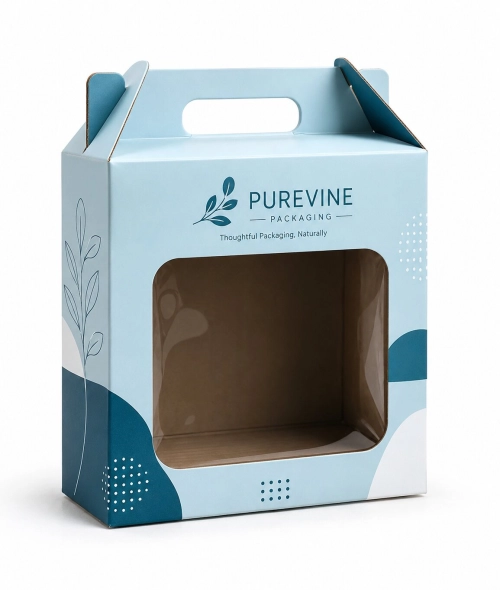


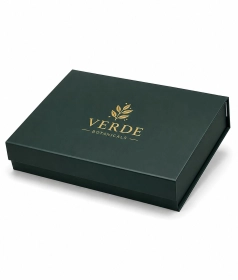
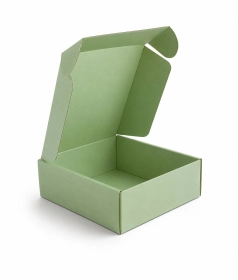
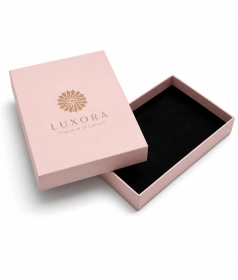
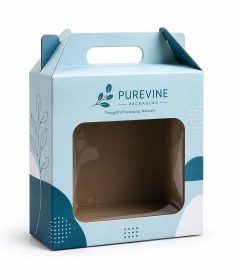





| Box Style | As Mention Above |
|---|---|
| Dimension (L + W + H) | All Custom Sizes & Shapes |
| MOQ | NO Minimum |
| Paper Stock | 10pt to 28pt (60lb to 400lb) Eco-Friendly Kraft, E-flute Corrugated, Bux Board, Cardstock |
| Printing | No Printing, CMYK, CMYK + 1 PMS color, CMYK + 2 PMS colors |
| Finishing | Gloss Lamination, Matte Lamination, Gloss AQ, Gloss UV, Matte UV, Spot UV, Embossing, Foiling |
| Included Options | Die Cutting, Gluing, Scored,Perforation |
| Additional Options | Eco-Friendly, Recycled Boxes, Biodegradable |
| Proof | Flat View, 3D Mock-up, Physical Sampling (On request) |
| Turnaround | 8 - 10 Business Days |
| Shipping | FLAT Position |
Custom Tea Boxes Designed Around the Tea Inside
Tea packaging has two distinct jobs. The sealed pouch, sachet wrapper or inner liner protects the blend from air, moisture and surrounding odours. The printed carton organises that inner pack, protects it from crushing and gives shoppers the information they need to choose. Treating both layers correctly creates a better result than expecting a folding carton alone to keep tea fresh.
GoTo Boxes produces custom tea boxes for tea bags, loose-leaf pouches, refill packs, tins, tasting selections and gift collections. Every design can be sized around the actual product rather than forcing it into a stock carton. That means less empty space, a neater shelf presence and a more controlled opening experience.
Start with the Pack Format, Not a Guess at the Box Size
The most reliable brief begins with the filled inner pack. A 50 g loose-leaf pouch behaves differently from 20 individually wrapped tea bags, even if their outer dimensions look similar on paper. Pouches can settle and expand, while sachets need enough clearance to avoid catching on folds. Tins require protection against scuffing and movement.
Measure the product at its widest, deepest and highest points after filling. For tea bags, measure a complete stack under normal, light compression. For multiple flavours, arrange the intended assortment before measuring it. We can then allow practical clearance for loading, board folds and any insert. This is more dependable than choosing dimensions from a generic size list.
Useful Size Planning for Common Tea Products
The figures below are design starting points, not fixed box sizes. The final internal dimensions should come from a physical sample or confirmed product drawing.
| Tea format | Sensible structure | Dimension detail to confirm |
|---|---|---|
| 10 to 20 tea bags | Straight tuck-end or reverse tuck-end carton | Wrapped or unwrapped bag size, stack height and count |
| 40 to 80 tea bags | Crash-lock or seal-end carton | Filled weight, loading method and base strength |
| Loose-leaf pouch | Tuck carton or sleeve-and-tray | Filled pouch expansion, seal width and gusset depth |
| Tea tin | Folding carton with fitment or rigid box | Lid clearance, tin diameter and anti-scuff allowance |
| Tasting set | Drawer box, rigid lift-off lid or divided carton | Number of flavours, compartment size and presentation order |
| Subscription pack | Mailer-style corrugated box | Product mix, protective fill and postal journey |
When requesting a quote, state whether dimensions are internal or external and use length × width × height in millimetres. Internal dimensions matter most for fit. External dimensions matter for shelf plans, master cartons, pallets and postal bands.
Materials Chosen for Protection, Presentation and Cost
Paperboard for Most Retail Tea Cartons
Solid bleached or coated folding boxboard is usually the best all-round choice for retail tea bags and sealed loose-leaf pouches. It provides a smooth print surface, clean creases and enough rigidity for a compact carton. Paper stock can be specified from 10pt to 28pt where suitable, although the correct caliper depends on box span, product weight and distribution. A heavier board is not automatically better because poor grain direction or a weak locking design can still make a thick carton perform badly.
For most customers, paperboard offers the strongest balance of print quality, unit cost, packing speed and shelf efficiency. It is well suited to supermarkets, farm shops, delicatessens, online tea brands and hospitality suppliers where the product already has a sealed primary pack.
Kraft Board for a Natural, Less Coated Appearance
Brown kraft board works well for organic ranges, refill concepts and brands that want visible paper texture. Dark artwork and simple spot colours normally reproduce more predictably than pale photography because the brown substrate changes how inks appear. White ink can be added beneath selected artwork when greater colour contrast is needed.
Kraft is often the best customer-facing material for brands whose visual identity genuinely suits a natural board. It should be selected for function and design, not used as automatic proof of sustainability. Ask how coatings, windows, foils and inner components affect the end pack before making disposal claims.
Corrugated Board for Delivery and Heavier Collections
E-flute corrugated board adds cushioning and stacking strength. It is a sensible choice for ecommerce packs, subscription boxes, larger assortments and tea sets containing tins, mugs or infusers. It can also form an outer transit pack around finer retail cartons. For mail-order use, test the complete packed box, as a beautiful retail carton is not necessarily a shipping carton.
Rigid Board for Gifts and Keepsake Presentation
Rigid boxes suit higher-value tea collections, corporate gifts and reusable tasting chests. A lift-off lid, hinged magnetic closure or drawer format can hold divided sections and provide a slower reveal. Rigid construction costs more, arrives assembled and uses more storage space, so it is best reserved for products with a price point and sales channel that justify it.
If any board, liner or coating will touch tea directly, the food business must ensure that it is suitable for that intended use. The Food Standards Agency guidance on food-contact materials explains the regulatory context. In most retail applications, the printed box is secondary packaging around a compliant sealed inner pouch or wrapper.
Box Styles That Support the Way You Sell
Straight tuck-end cartons give front and back panels a consistent orientation and suit lighter tea-bag counts. Reverse tuck-end cartons can use board efficiently and work well for automated or manual packing. Seal-end boxes provide stronger closed ends for faster-moving retail lines, while crash-lock bases speed manual assembly for heavier contents.
Sleeve-and-tray boxes add a reveal without moving into full rigid-box cost. Drawer boxes are useful for tasting flights and gift sets. Window cartons can show a tin or an internal assortment, although the window material and its recyclability should be considered. For loose tea in a jar or tin, a fitted insert reduces movement and keeps the label facing the opening.
Custom tea bag packaging may also require perforated dispensing panels, tear strips or internal dividers. These features need testing with the real sachets. A perforation that is too light will not open cleanly; one that is too aggressive can weaken the panel during packing and transit.
Printing That Helps a Shopper Choose the Right Blend
Custom printed tea boxes should make range navigation simple before they add decorative detail. Keep the brand mark, blend name and tea type clear on the main panel. Use a repeatable colour or illustration system to distinguish black, green, herbal, fruit and decaffeinated varieties without making colour the only identifier.
CMYK printing is appropriate for photographs, illustrations and multi-colour artwork. Pantone spot colours are helpful when a particular brand colour must remain consistent across a range. Digital printing can suit short or changing runs, while lithographic printing becomes efficient for larger quantities and demanding colour work. The correct method depends on quantity, board and finish rather than appearance alone.
For custom tea boxes with logo treatment, embossing gives the mark physical depth, while debossing presses it into the surface. Foil can add a controlled metallic accent. Spot UV creates local contrast on a coated surface. Matte, gloss and soft-touch finishes alter both appearance and handling, but laminates and mixed materials can affect recyclability. A restrained finish on one focal element often reads more clearly than several effects competing on a small carton.
Build the Information Panel Before Approving Artwork
Packaging artwork must leave enough room for legible, accurate product information. Requirements vary by blend, pack type and sales method, so the responsible food business should approve the final label rather than relying on a generic template. UK guidance covers information such as the food name, ingredients and allergens where applicable, net quantity, date marking, storage instructions and the responsible food business operator’s details. Review the current food information guidance for the market in which the tea will be sold.
Before the design is released, check the following once on the flat dieline and again on a three-dimensional proof:
- Front-panel hierarchy and blend name
- Tea type and net quantity
- Ingredients and emphasised allergens where applicable
- Brewing and storage instructions
- Date and batch-code space
- Barcode size and quiet zones
- Responsible business details
- Accurate disposal instructions
- Substantiated certification marks or product claims
- Text clearance from cuts, creases and glue areas
Do not place essential copy across creases, glue flaps, locking tabs or tight curves. Leave a defined unprinted area if variable data will be added later by inkjet, label or thermal transfer. A QR code can lead to brewing videos, sourcing notes or the wider range, but it should support rather than replace mandatory on-pack information.
Custom Tea Packaging for Retail, Ecommerce and Gifting
The sales route changes the specification. A carton intended for a delicatessen needs strong facing panels, accurate barcodes and efficient shelf dimensions. An ecommerce pack needs protection from repeated handling and should be assessed inside its postal packaging. Hotel and café supply packs prioritise quick identification, clean storage and reliable opening during service.
Gift packaging can use compartments to turn different blends into a guided tasting sequence. Corporate sets may reserve an artwork area for a campaign message or recipient name. Seasonal ranges benefit from a shared structural design because keeping the same cutting layout while changing print can reduce setup complexity and help every variant pack at the same speed.
A useful UK product example is Bird & Blend Tea, which sells tea-bag gift cubes and larger selection boxes with different flavours and counts. The category lesson is not to imitate its artwork. It is to make pack structure, product count and assortment easy to understand, so the customer can tell whether the item is an everyday carton, a tasting selection or a gift.
Ordering Custom Tea Boxes Wholesale Without Avoidable Waste
Unit cost generally falls as tooling, setup and proofing are spread across more packs. Even so, custom tea boxes wholesale orders should follow realistic forecasts. Excess stock becomes expensive when ingredients, compliance copy or branding change. One shared structure can serve several blends when the filled formats genuinely match, with artwork changed by version. Short launch runs protect cash flow, while larger established runs can improve unit economics.
A clear quotation brief should state finished internal size, product weight, quantity per design, board preference, print colours, finish, insert requirements, delivery postcode and required date. Supply the filled product or an accurate dummy when fit is critical. If the tea is machine packed, include line constraints such as carton opening direction and glue requirements.
Quality Checks That Matter Beyond a Good-Looking Proof
A screen proof confirms layout and text, not physical performance. Before a major run, consider a plain sample for fit and a printed sample when colour or finish matters. The carton should open without tearing, stay square, close securely and stack without bowing.
Inspect colour, registration, small text, foil position, cuts, creases, glue and insert fit. Pack several units by the real production method and time the process, as slow assembly adds hidden labour cost. Test finished cartons in their master case or postal pack, then check the faces and corners after transit.
From Idea to Approved Custom Tea Packaging
Send GoTo Boxes the product format, internal dimensions, quantity, sales route, artwork and preferred opening style. Once the structure is agreed, artwork is placed on a dieline with cut, crease, bleed and safe-area guides. Review claims, barcodes and regulatory copy, approve the digital proof, and request a physical sample where fit, colour or finish needs closer evaluation.
Why Choose Custom Tea Boxes Made Around Your Product?
The right tea carton is not simply a printed rectangle. It fits the filled product, protects the primary pack, works at the packing bench and communicates clearly at the point of sale. A made-to-measure structure also avoids the loose fit and excess material that can come with stock packaging.
GoTo Boxes brings the structural and visual choices into one practical brief. You can specify the size, board, box style, print and finish around your tea bags, loose-leaf pouches, tins or assortments. With artwork space planned early and samples considered where needed, the result is easier to approve and more dependable in use. Send your product dimensions, quantity and artwork requirements to request a tailored quotation.