









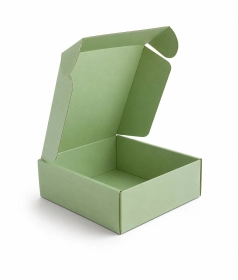
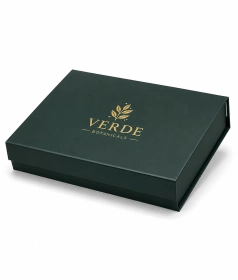
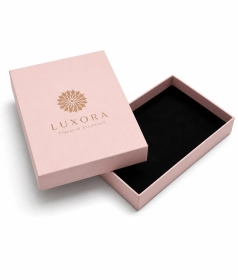
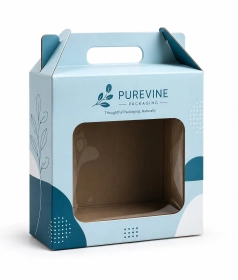






| Box Style | As Mention Above |
|---|---|
| Dimension (L + W + H) | All Custom Sizes & Shapes |
| MOQ | NO Minimum |
| Paper Stock | 10pt to 28pt (60lb to 400lb) Eco-Friendly Kraft, E-flute Corrugated, Bux Board, Cardstock |
| Printing | No Printing, CMYK, CMYK + 1 PMS color, CMYK + 2 PMS colors |
| Finishing | Gloss Lamination, Matte Lamination, Gloss AQ, Gloss UV, Matte UV, Spot UV, Embossing, Foiling |
| Included Options | Die Cutting, Gluing, Scored,Perforation |
| Additional Options | Eco-Friendly, Recycled Boxes, Biodegradable |
| Proof | Flat View, 3D Mock-up, Physical Sampling (On request) |
| Turnaround | 8 - 10 Business Days |
| Shipping | FLAT Position |
Custom Protein Bar Boxes for Singles, Multipacks and Displays
Start with one commercial question: where will the customer first see the protein bar? A single bar hanging in a gym shop needs different packaging from a 12-bar ecommerce pack. A mixed-flavour gift set needs a different opening experience from a counter dispenser. Even when the bars are identical, their boxes may require different materials, closures and print layouts. GoTo Boxes develops protein bar boxes around the finished wrapped product, intended bar count and route to the customer. This avoids oversized cartons, weak corners and structures that look suitable on screen but become difficult to pack or display.
One Product Can Require Four Different Box Formats
The word “protein bar packaging” covers several structures. Choosing the correct format early helps control material use, storage space, packing time and printing costs.
A Carton for One Wrapped Bar
An individual carton gives the bar a larger printable area than its flow wrap alone. It can carry product information, flavour identification and branding while protecting the wrapper from scuffs. Straight tuck-end and reverse tuck-end cartons are practical for most single bars. A hanging tab can be incorporated for peg displays, while a sleeve may suit bars already packed in a firm inner tray. The carton is normally secondary packaging. It does not replace the sealed wrapper responsible for protecting the bar from moisture, grease, air and aroma loss.
Multipacks for Regular Retail Ranges
A multipack can hold bars flat, upright or in two organised rows. The correct layout depends on the wrapper dimensions, total weight and available shelf space. Four-bar and six-bar cartons can often use tuck closures. Larger or heavier counts may benefit from an auto-lock base, crash-lock base or reinforced glued construction. A carton that feels secure when lifted gives customers more confidence than one that bows under the product weight.
Cartons That Convert into Counter Displays
Display packaging can arrive sealed and then open into a tray. A perforated front or top section is removed by retail staff, leaving the individual bars visible and accessible. This style works well for gyms, cafés, health-food shops, office canteens and independent retailers. The front wall must be high enough to support the remaining bars but low enough to keep the flavour and product name visible.
A Mixed-Flavour Protein Bar Selection Box
A Protein Bar Selection Box should make the assortment easy to understand as soon as it opens. Bars can be arranged by flavour, protein type or dietary preference using a fitted paperboard tray, divider or planned orientation. The outer packaging can show how many bars and flavours are included. For ecommerce orders, the presentation carton may need a separate corrugated mailer to protect it from courier labels and delivery damage.
Use the Sealed Wrapper as the Engineering Sample
Bare product measurements are not enough. The wrapper’s end crimps, sealed seams and trapped air can increase the required carton dimensions. Soft or layered bars may also vary slightly between batches. Measure several finished samples at their widest, longest and highest points. Carton dimensions should be agreed as internal length × width × height. Suppose a wrapped bar measures 145 × 54 × 19 mm. The carton needs controlled clearance around the product so it can be packed without force. Adding too much clearance lets the bar move and makes the packaging look poorly fitted. Adding too little may crush the wrapper or slow down the packing process. For a multipack, the dimensions must account for the chosen arrangement and cumulative wrapper thickness. Five bars measuring 19 mm deep will not always form an exact 95 mm stack because seams and product compression affect the result. A sample carton provides a more reliable answer than calculations alone.
Board Choice Is a Commercial Decision
The best material is not automatically the thickest or most expensive. It is the board that handles the filled weight, produces the required print result and reaches the customer in good condition without unnecessary material.
Folding Boxboard for Everyday Retail Products
White folding boxboard is generally the best all-round material for retail protein bar packaging. Its smooth surface supports fine nutrition text, flavour photography, barcodes and consistent brand colours. It is suitable for sports nutrition businesses, supermarket product lines, gym retailers and convenience-store ranges. Customers receive a lightweight carton that is easy to open, store and flatten after use. Board thickness should be selected after the finished size and loaded weight are confirmed. An individual bar needs less stiffness than a large multipack.
Kraft Board for Natural and Plant-Based Ranges
Unbleached kraft board creates a natural fibre appearance that may suit oat bars, plant-based recipes, wholefood snacks and organic-style ranges. Colours reproduce differently on brown board. Light colours may require a white underprint, while photographs and small text need careful proofing. Kraft should be chosen because its appearance suits the product, not because brown packaging alone proves an environmental claim.
Corrugated Board for Delivery and Larger Counts
E-flute corrugated board is better for subscription packs, heavy multipacks, trade cartons and direct-to-consumer orders. Its fluted layer provides more resistance to compression and edge damage than standard cartonboard. For many businesses, the most efficient arrangement is a printed folding carton for retail presentation inside a corrugated shipping case. The shipping box absorbs delivery damage while the inner pack remains clean for the customer.
Rigid Board for Limited Gift Editions
Rigid board can be considered for a launch presentation, press pack or high-value gift set. It creates a substantial opening experience but requires more material, storage and budget. It is rarely the most economical choice for a frequently purchased protein bar multipack. A well-engineered folding carton can usually provide the required presentation at a lower packed weight.
Closures and Shapes Should Support Packing
Rectangular cartons remain the most efficient shape for bars because they stack neatly and use shelf space well. Distinctive packaging can still be created through panel proportions, opening style, print and structural details. A straight tuck-end box gives both closing flaps the same direction. A reverse tuck-end design places them on opposite sides and can reduce board use on some layouts. Auto-lock and crash-lock bases reduce assembly time for heavier packs, while glued sleeves work well around an existing inner product. Thumb notches make sleeves easier to open. Tear strips can provide a defined first opening. Perforated sections can turn a closed carton into a retail display, but the tear line must be tested to ensure it opens without damaging the printed tray. Unusual shapes should be assessed carefully. A shape that wastes board, cannot stack or needs excessive void fill may create higher costs throughout production and delivery.
Give the Front Panel a Clear Selling Order
Customers usually scan the front panel quickly. The visual order should help them identify the brand, flavour, product type, key substantiated claim and bar count without searching across the pack. Printed protein bar boxes can use flavour-led colours while keeping the logo, product name and information areas in consistent positions. This makes a growing range easier to recognise and reduces confusion between recipes. Protein bar boxes with logo printing should leave enough contrast around the brand mark. Foil or spot UV can highlight a logo, but decoration should not compete with the product name or mandatory information. The side and back panels can carry detailed information such as ingredients, emphasised allergens, nutritional values, net quantity, storage guidance, durability information, business details and preparation or usage instructions where relevant. Food claims must match the formulation and applicable requirements. Statements about protein, sugar, fibre, allergens or dietary suitability should not be added simply because they sound persuasive.
Information Needed Before the Dieline Is Prepared
A complete brief reduces artwork changes and makes quotations easier to compare:
- Finished measurements of several sealed bars
- Weight and number of bars inside each carton
- Preferred bar arrangement and opening direction
- Retail, display, gifting or ecommerce use
- Required order quantities for each flavour
- Brand files, approved wording and barcode artwork
- Preferred material, finish and required delivery date
These details allow the structure and print area to be planned together. Artwork should not be finalised on an approximate rectangle before the correct dieline exists.
Print Choices for a Multi-Flavour Range
CMYK printing suits photography, gradients and multi-colour graphics. Pantone colours may be useful when one brand shade needs to remain stable across separate flavours and repeat orders. Digital printing can provide practical flexibility for launch quantities and limited editions. Offset printing is often better suited to larger, established runs where the artwork will remain unchanged.If several flavours share one carton size, the structural dieline can remain consistent while each version uses different artwork. Shared elements should stay in fixed positions. Ingredients, allergens, nutritional information and barcodes must still be checked separately for every version. Matt or gloss lamination can change the appearance and handling resistance of the carton. Spot UV, foil, embossing and debossing should be used selectively. Each additional process affects cost, production time and the finished material combination.
Box Quality Must Be Checked After Filling
A flat sample may look accurate but still perform poorly when loaded. Protein bar packaging should therefore be assessed with the actual product inside. Creases should fold without cracking. Tuck flaps should remain closed. Glued seams should not lift when the carton is filled. Display perforations should open cleanly, and multipacks should remain square when stacked. Barcode scanning should be tested on the printed material, particularly when a code appears on a dark colour or close to a fold. Fine text must remain readable after printing, while solid colour areas should resist normal rubbing during packing and transport. mA representative delivery test is useful for ecommerce and wholesale packs. It can reveal excess movement, compressed corners or a presentation carton that needs a separate shipping layer.
A Useful UK Example of Range Navigation
Grenade shows how protein bar packaging can keep a recognisable identity while separating flavours clearly. Its UK-market multipacks use consistent brand placement with strong colour changes and visible product cues. The useful lesson is not to reproduce its design. It is to create a repeatable visual system. Customers should recognise that several cartons belong to the same range while still being able to distinguish one flavour from another at shelf distance or in a small ecommerce image.
Wholesale Protein Bar Boxes Without Excess Stock
Wholesale protein bar boxes usually become more economical per unit as quantities increase, but the largest run is not always the best purchasing decision.Packaging can become unusable when a recipe, barcode, nutrition panel, allergen statement or claim changes. A growing business should compare the unit-price saving with demand forecasts, available storage and the likelihood of artwork updates. It can be sensible to begin with a shorter production run for a new range. Once the carton fit, packing process and sales demand are proven, repeat quantities can increase. For multiple flavours, request separate quantities for each artwork version. A popular flavour may require a longer run than a limited or seasonal option, even when every carton uses the same structure.
Make Environmental Information Specific
A smaller, closely fitted carton usually provides more practical value than a broad sustainability slogan. Right-sizing can reduce board use, empty transport space and the need for internal packing material. Window-free paperboard packaging may be easier for customers to understand and separate. Where a window is necessary, its material and disposal instructions should reflect the actual specification. Finishes should also be chosen carefully. A straightforward printed board with a suitable varnish may achieve the required handling resistance without film lamination. Decorative additions should have a clear purpose rather than increasing material complexity without improving use. UK businesses may have packaging data and Extended Producer Responsibility obligations depending on their activities and applicable thresholds. Recording the material and finished weight of each approved packaging component can support more accurate internal records.
From Initial Sample to Finished Carton
The process begins with the sealed bar samples, required count, selling channel and approximate quantity. GoTo Boxes can then recommend a structure and prepare a dieline. Artwork is positioned after the cut lines, folds, glue areas and perforations have been confirmed. A flat proof and 3D view allow the business to review placement before production. A physical sample is useful for multipacks, selection boxes, counter displays, unusual finishes and large orders. It allows the fit, loading sequence and opening action to be checked using the real products. After approval, the final specification can be retained for future orders. Any later artwork or recipe change should be reviewed before reprinting.
A Reorderable Packaging System from GoTo Boxes
The purpose of these boxes is not simply to surround a protein bar with printed board. A successful carton should fit the sealed product, support the chosen sales route, communicate each flavour clearly and remain practical to pack, store and reorder. GoTo Boxes supports individual cartons, multipacks, selection formats, counter displays and delivery-ready structures. Design guidance, digital proofing, low-volume options and wholesale production allow the packaging to develop alongside the product range. Send the finished bar measurements, required count, artwork versions and expected quantities to receive a box specification based on how the product will actually be sold.