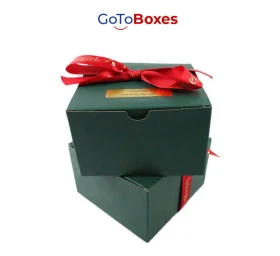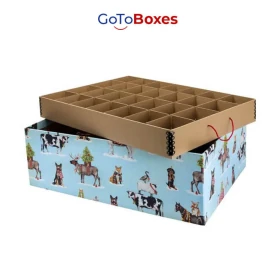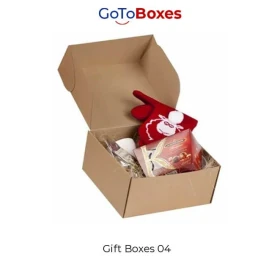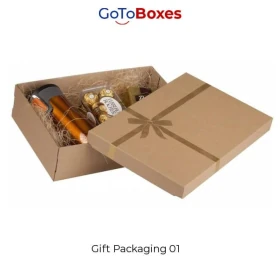














| Box Style | As Mention Above |
|---|---|
| Dimension (L + W + H) | All Custom Sizes & Shapes |
| MOQ | NO Minimum |
| Paper Stock | 10pt to 28pt (60lb to 400lb) Eco-Friendly Kraft, E-flute Corrugated, Bux Board, Cardstock |
| Printing | No Printing, CMYK, CMYK + 1 PMS color, CMYK + 2 PMS colors |
| Finishing | Gloss Lamination, Matte Lamination, Gloss AQ, Gloss UV, Matte UV, Spot UV, Embossing, Foiling |
| Included Options | Die Cutting, Gluing, Scored,Perforation |
| Additional Options | Eco-Friendly, Recycled Boxes, Biodegradable |
| Proof | Flat View, 3D Mock-up, Physical Sampling (On request) |
| Turnaround | 8 - 10 Business Days |
| Shipping | FLAT Position |
Custom Christmas Card Packaging Made Around the Card Set
Christmas cards are light but easy to damage. In a loose pack, corners catch and printed faces rub. Well-specified packaging keeps the set square and clean while showing customers the design, quantity and value.
GoTo Boxes produces custom Christmas card packaging for publishers, illustrators, charities, corporate gift teams, printers and retailers. Each pack is planned around the finished cards and envelopes rather than forced into a stock carton.
Start With the Cards and Envelopes, Not a Stock Box
A box for Christmas cards should be measured around the largest component, usually the envelope. Internal length and width need enough clearance for packing and removal, but not enough for the contents to knock against the walls. Depth depends on card count, envelope weight, embellishments and inserts.
Build a complete sample using the final card stock and envelopes, then measure its length, width and depth in millimetres. Include the deepest point of bows, layered paper or raised foil. Artwork dimensions alone cannot show how a physical stack behaves.
Common Card Formats and Sensible Starting Measurements
These are starting points, not fixed box sizes. Envelope dimensions vary, so use your packed sample or confirmed specification.
| Card set format | Typical envelope size | Suggested internal footprint before testing | Suitable structure |
|---|---|---|---|
| A6 card with C6 envelope | 162 × 114 mm | About 166 × 118 mm | Tuck carton or sleeve and tray |
| A5 card with C5 envelope | 229 × 162 mm | About 233 × 166 mm | Folding carton, lid and base, or mailer |
| DL card with DL envelope | 220 × 110 mm | About 224 × 114 mm | Narrow tuck carton or sleeve |
| Square card set | Measure the supplied square envelope | Add practical packing clearance after testing | Square lid and base or rigid box |
Internal dimensions describe usable space. External dimensions are larger because board and folds add material. Supply any retailer shelf or peg-space limit when requesting a quote.
Pack Count Changes More Than the Depth
A forty-card set should not simply use a deeper version of a ten-card carton. Deeper walls can bow and cards may tip during upright display. Larger sets may need stiffer board, a two-piece structure or an internal paper band.
Allow for envelopes, charity information, stickers and inserts. A divider can separate several designs, while a thumb notch or ribbon lift helps customers remove a close-fitting stack without bending it.
Which Material Is Best for Christmas Card Boxes?
For most retail card sets, folding box board is the best starting material. It prints cleanly and stores efficiently when supplied flat. A small carton may use board around 300 to 400 gsm, but footprint, pack weight and construction must also be tested.
Material priorities change by industry. Online sellers need courier protection, museum shops may prefer an uncoated paper feel, and corporate buyers may want a reusable keepsake box.
| Material | Best suited to | Buyer benefit | Point to check |
| Folding box board | Retail packs, publishers, charities and stationery ranges | Good print detail, low packed weight and efficient flat storage | Board grain and crease quality on deeper cartons |
| Kraft board | Handmade, natural-look and paper-focused brands | Warm, understated appearance with less need for heavy ink coverage | White and bright colours print differently on brown stock |
| E-flute corrugated board | Ecommerce sets, larger packs and mixed stationery bundles | More resistance to crushing during handling | Corrugation creates a thicker edge and changes external size |
| Rigid board | Limited editions, corporate gifts and keepsake collections | Substantial feel and strong edge protection | Higher unit cost, more storage space and usually supplied assembled |
What Is Best for the Customer?
Customers benefit from packaging that fits the selling price. A value ten-card pack rarely needs rigid board, while a numbered art-card collection may feel under-specified in a thin carton.
Paper-based does not automatically mean recyclable at home. Windows, magnets, foam, laminates and ribbons can change disposal. Request the full material construction and print only recycling claims that the completed pack can support.
Choose a Box Style That Helps People Browse and Buy
Christmas card boxes must suit their sales route. Retail packs need tidy stacking, ecommerce packs need transit protection, and gift editions should open without shaking out the cards.
Folding Cartons for Everyday Retail Ranges
Straight tuck and reverse tuck cartons suit lightweight sets and can arrive flat. Deeper packs may need a crash-lock or glued base. A tested, reinforced Euro slot can support hanging retail display.
Printed Christmas card boxes provide space for the design name, pack count, dimensions, envelope details and barcode. Keep the rear panel readable instead of filling it with small festive copy.
Sleeve and Tray Packs for Seasonal Artwork Changes
A sleeve and tray separates the structure from the printed wrap. When several designs share one size, a common tray can support different seasonal sleeves, subject to quantity and colour requirements.
Test the sliding fit after print because lamination and heavy ink can alter friction. A tight sleeve may scuff; a thumb cut provides a natural grip.
Lid and Base or Rigid Boxes for Gift Editions
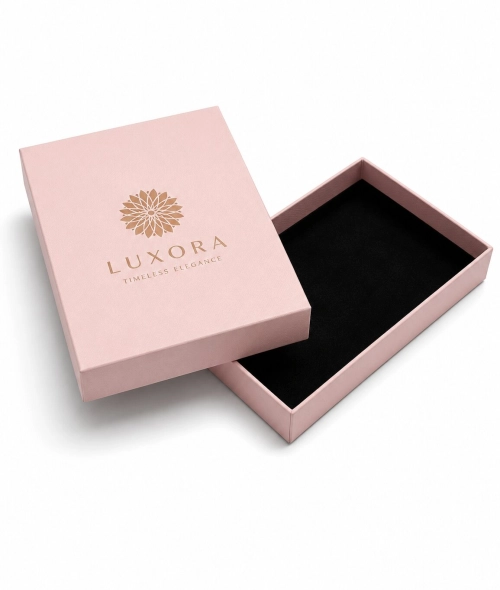
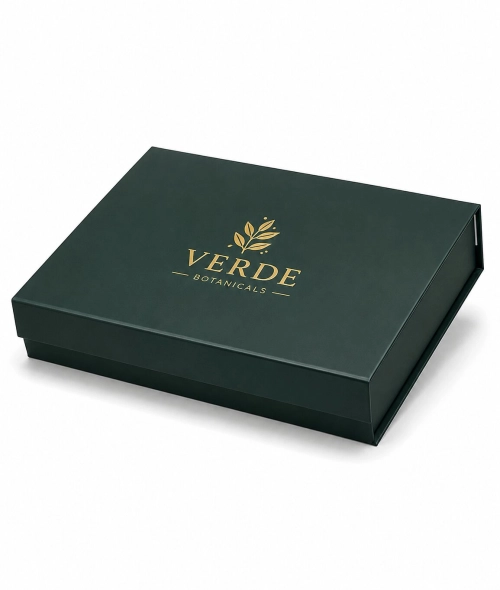
Two-piece boxes create a gift-like reveal and a large lid for artwork. Folding-board versions remain lighter. Rigid versions suit higher-priced collections but need more storage and an outer carton for courier delivery.
The retail box and shipping box have different jobs. A decorative pack may still need an outer mailer to prevent dents, moisture and courier labels on the printed surface.
Turn Seasonal Artwork Into Clear Buying Information
Printed Christmas card packaging should explain the product in seconds. Show the collection name, card and envelope count, and design mix on the front. Use the side or back for dimensions, greetings, charity wording and barcode details.
CMYK suits illustrated scenes and multi-colour artwork. Pantone matching helps a corporate colour stay consistent across boxes and inserts. Digital print can suit shorter or changing runs, while lithographic print often suits longer runs needing repeatable colour. Agree the method against quantity, artwork and board.
Christmas Card Boxes With Logo Details That Stay Legible
Christmas card boxes with logo printing do not need an oversized mark on every panel. One clear front logo, repeated on the information panel, is often enough. Keep small text away from folds, glue seams and texture.
Foil can pick out a title or logo, while embossing adds detail without another colour. Spot UV creates contrast but can disappear in busy artwork. Choose finishes that improve hierarchy or handling rather than applying every option.
Windows, Inserts and Closures
A die-cut window can show a card, but the contents must stay aligned. An open cut-out simplifies the material mix, while clear film adds protection. Choose according to handling needs and accurate disposal instructions.
Plan Wholesale Packaging Before Festive Stock Arrives
Christmas card packaging wholesale orders are easier to control when the artwork, sample and variant list are settled together. Order only what the business can store, assemble and use before dated artwork changes.
Compare total packed cost, including assembly, inserts, labels, outer cartons, storage and leftover stock. A common base with a changeable sleeve can suit small variants; full print may suit a proven bestseller.
When ordering Christmas card boxes wholesale, ask whether quantity applies per artwork. Ten designs at one hundred boxes may not price like one design at one thousand because each requires setup and proofing.
Send these details for a useful quotation:
- Finished card and envelope dimensions in millimetres; number of cards per set; packed stack depth; required quantity per design; preferred structure and material; print colours and coverage; finishes or inserts; flat or assembled supply; delivery postcode; target date; artwork files; and any retailer size, barcode or labelling requirements.
Price reflects size, board, structure, quantity, print, finish, assembly and delivery. A complete brief is more useful than comparing headline prices based on different specifications.
A UK Retail Example: Make the Pack Explain the Product
Card Factory is a familiar UK example of a retailer selling boxed Christmas card multipacks. For product-awareness purposes, the useful lesson is how quickly a shopper should understand the pack count, design mix, card size and charity status. An independent publisher need not copy a high-street range, but the same information hierarchy makes a set easier to compare without opening it.
A compact folding carton with a clear front, readable back and paper seal can support that job better than an unnecessarily heavy gift box. This is an example of the Christmas card product format only. It does not suggest that Card Factory buys packaging from GoTo Boxes.
Quality Checks That Prevent Seasonal Returns and Repacking
Approve the physical pack, not just the on-screen artwork. Check that envelopes slide in, the lid stays closed, the board does not bow and cards lift out safely. Pack several sets at working speed to reveal hidden problems.
Check the proof for colour, spelling, count, dimensions, barcode contrast, charity wording and recycling instructions. Test dark ink for rubbing and foil for lost detail. For postal sales, test the retail pack inside its outer mailer.
GoTo Boxes supplies Christmas card boxes UK-wide. Buyers should confirm the measurement basis, internal or external, how boxes arrive and what the quote includes. Written dieline and material approval provides a reference for repeat orders.
Why Choose GoTo Boxes for Your Seasonal Card Range?
Good Christmas card packaging keeps cards tidy, explains the product and fits its storage, display or delivery route. GoTo Boxes brings size, board, structure, print and finish into one made-to-measure specification with artwork proofing.
The approach suits a first illustrated range, a corporate mailing or a wholesale programme. Share finished measurements, pack count, quantity, artwork and sales route for a tailored quote. The box should fit the cards, the packing team and the customer buying them.