





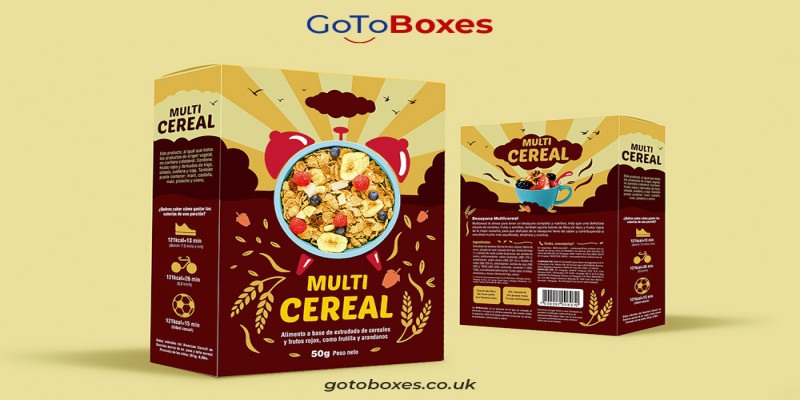
Cereal boxes are one of the most familiar forms of packaging in our kitchens, yet few people stop to consider what they are actually made of. Behind their bright graphics and sturdy feel lies a carefully engineered combination of materials designed to protect food, attract attention on shelves, and support sustainability goals. For brands and consumers alike, understanding cereal box materials is key to making informed packaging decisions.
At GoToBoxes.co.uk, we specialise in high-quality custom packaging, including cereal boxes tailored for food safety, branding, and environmental responsibility. In this guide, we’ll break down the materials used in cereal boxes, explain how they’re made, and explore why these materials matter for your product and the planet.
The Primary Material: Paperboard
Most cereal boxes are made primarily from paperboard, a thick, paper-based material derived from wood pulp. Paperboard is stronger and more rigid than standard paper, making it ideal for packaging that needs to hold its shape and protect lightweight food products.
Paperboard offers several advantages:
-
Lightweight yet durable
-
Easy to cut, fold, and print on
-
Cost-effective for large-scale production
-
Widely recyclable
Because cereal boxes don’t usually need to carry heavy loads, paperboard strikes the perfect balance between strength and efficiency.
Types of Paperboard Used in Cereal Boxes
Not all paperboard is the same. Cereal boxes can be made from different grades depending on the brand’s quality, budget, and sustainability goals.
1. Solid Bleached Sulphate (SBS)
SBS paperboard is made from virgin wood pulp and is fully bleached to create a clean, white surface. This type of board is commonly used for premium cereal packaging.
Key features of SBS:
-
Bright white appearance
-
Excellent print quality
-
Smooth surface for sharp graphics
-
Food-safe and odour-free
SBS is often chosen by brands that want high-end visuals and strong shelf appeal.
2. Coated Unbleached Kraft (CUK)
CUK paperboard is made from unbleached kraft pulp, giving it a natural brown colour on the inside with a coated white exterior for printing.
Benefits of CUK:
-
Strong and tear-resistant
-
More natural, eco-friendly look
-
Good balance between strength and printability
This material is popular with brands that want a slightly rustic or sustainable image while maintaining strong packaging performance.
3. Coated Recycled Board (CRB or CCNB)
Recycled paperboard is made from post-consumer waste paper. It usually has a grey or brown interior and a white coated surface for printing.
Why brands choose recycled board:
-
Environmentally friendly
-
Lower cost than virgin board
-
Widely recyclable
Many modern cereal brands opt for recycled paperboard to reduce environmental impact without compromising functionality.
Inner Packaging: Why Cereal Needs a Liner
While the outer box is made of paperboard, cereal boxes also include an inner liner, usually a plastic or biodegradable bag. This inner layer plays a critical role in food protection.
The liner helps to:
-
Keep cereal fresh and crunchy
-
Protect against moisture and air
-
Prevent contamination
Traditionally, these liners were made from polyethylene plastic. Today, many brands are exploring recyclable or compostable alternatives to reduce plastic waste.
Coatings and Finishes on Cereal Boxes
Cereal boxes often feature special coatings and finishes that enhance appearance and durability.
Common Coatings
-
Gloss coating: Creates a shiny, eye-catching finish
-
Matte coating: Provides a smooth, non-reflective look
-
Aqueous coating: Water-based and eco-friendly
These coatings protect the box from scuffs, moisture, and handling damage during transport and retail display.
Special Finishes
Premium cereal packaging may include:
-
Spot UV
-
Embossing or debossing
-
Foil stamping
These finishes add texture and visual interest, helping brands stand out on crowded shelves.
Printing Inks Used on Cereal Boxes
The colourful designs on cereal boxes are printed using food-safe inks. These inks are carefully selected to meet safety regulations and prevent contamination.
Types of Inks
-
Water-based inks
-
Soy-based inks
-
Low-VOC inks
Eco-conscious brands increasingly choose vegetable-based or soy inks, which are more sustainable and easier to recycle.
How Are Cereal Boxes Manufactured?
The cereal box manufacturing process involves several precise steps:
-
Pulp preparation: Wood pulp or recycled paper is processed into paperboard
-
Board forming: The pulp is pressed, dried, and cut into sheets
-
Printing: Designs and branding are printed onto the board
-
Die-cutting: Sheets are cut into flat box templates
-
Folding and gluing: Boxes are folded into shape and prepared for filling
At GoToBoxes, we use advanced printing and die-cutting technology to ensure accuracy, consistency, and premium quality.
Are Cereal Boxes Recyclable?
Yes, most cereal boxes are recyclable. The paperboard outer box can usually be placed in household recycling bins.
However, it’s important to:
-
Remove the inner plastic liner before recycling
-
Flatten the box to save space
Recycling cereal boxes helps reduce landfill waste and supports a circular economy.
Sustainability and Eco-Friendly Cereal Packaging
Sustainability is a growing priority in the packaging industry. Many cereal brands are actively reducing their environmental footprint.
Sustainable Practices Include:
-
Using recycled paperboard
-
Sourcing FSC-certified materials
-
Reducing box size and material waste
-
Switching to biodegradable inner liners
At GoToBoxes.co.uk, we offer eco-friendly cereal box options that align with modern sustainability standards without compromising on quality or design.
Why Material Choice Matters for Brands
The materials used in cereal boxes affect more than just appearance.
They influence:
-
Product protection
-
Brand perception
-
Environmental impact
-
Production costs
Choosing the right paperboard and finishes ensures your cereal packaging supports both your brand values and customer expectations.
Custom Cereal Boxes by GoToBoxes
If you’re launching a new cereal brand or refreshing your packaging, custom cereal boxes offer a powerful branding opportunity.
Why choose GoToBoxes?
-
High-quality paperboard materials
-
Food-safe printing and coatings
-
Custom sizes, shapes, and finishes
-
Eco-friendly packaging solutions
-
Competitive pricing across the UK
We work closely with brands to create cereal boxes that look great, perform well, and meet sustainability goals.
Final Thoughts
So, what are cereal boxes made of? Primarily paperboard, enhanced with coatings, inks, and an inner liner to ensure freshness and durability. As sustainability becomes increasingly important, cereal packaging continues to evolve with recycled materials and eco-friendly innovations.
Whether you’re a startup cereal brand or an established manufacturer, choosing the right cereal box materials can make a significant difference. GoToBoxes.co.uk is here to help you create packaging that protects your product, elevates your brand, and supports a greener future.